In the fast-paced technological realm of today, the integration of hardware components has become a vital element in boosting system performance. The synergy of both physical and virtual elements fosters not only seamless operations but also unveils a multitude of benefits for both businesses and individuals. This article explores the significance of hardware integration and its profound impact on system performance, while also showcasing the various advantages it brings to the table.
Understanding Hardware Integration to Maximize System Performance
Hardware integration is a multifaceted process aimed at uniting various physical components, such as processors, memory modules, storage devices, and peripherals, into a cohesive and efficiently operating system. This strategic approach encourages the smooth collaboration of hardware elements, enabling them to function together effectively and achieve optimal resource utilization. This integration can be applied at different levels, ranging from individual computer systems to the complex hardware found in specialized devices or advanced machinery.
The essence of hardware integration lies in its ability to unify diverse components within a system, fostering effective communication and interaction. By harmonizing processors, memory modules, storage devices, and peripherals, businesses can create a streamlined system that operates with remarkable efficiency, maximizing its overall performance. This integration ensures that each hardware component collaborates seamlessly, eliminating potential bottlenecks or inefficiencies that may disrupt system operations.
Boosting System Performance with Effective Hardware Integration Strategies
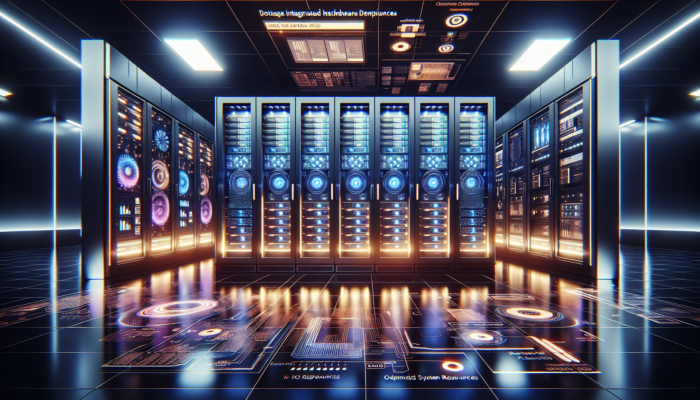
- Optimizing Efficiency for Superior Performance: By strategically integrating hardware components, organizations can achieve remarkable efficiency in utilizing system resources. This method involves fine-tuning the hardware configuration, enhancing operations, alleviating bottlenecks, and ultimately leading to improved overall efficiency.
When hardware components are effectively integrated, they function in harmony, maximizing the utilization of system resources. By refining the hardware configuration, organizations can pinpoint and eliminate redundant components or processes that could otherwise obstruct system operations. This prudent use of resources not only boosts overall system performance but also greatly enhances productivity across various organizational functions.
- Enhancing Scalability for Future Growth: The integration of hardware provides systems with the essential flexibility to adjust capabilities in response to the evolving needs of the business. This adaptability ensures that the system can accommodate increased workload demands without compromising performance.
Scalability is a critical aspect of system performance, especially in today’s dynamic business environment. Hardware integration empowers organizations to swiftly modify their systems as operational demands change. Whether it involves adding more processors, increasing memory capacity, or expanding storage capabilities, this integration delivers the necessary flexibility to manage growing workloads while maintaining optimal performance.
- Minimizing Latency for Accelerated Operations: The integration of hardware components significantly lowers latency, facilitating quicker data processing and real-time interactions. This reduction is particularly vital in applications such as online gaming, cloud computing, and financial trading, where even milliseconds can make a substantial difference.
Latency refers to delays experienced during data processing or transmission. In scenarios demanding real-time interactions or swift data processing, minimizing latency becomes imperative. Through effective hardware integration, system components can be optimized to decrease delays, ensuring faster data processing. This is especially relevant in sectors like online gaming, where even minor delays can detract from user experience and overall satisfaction.
- Enhancing Reliability through Redundant Systems: Hardware integration facilitates the establishment of redundant systems, ensuring that the failure of one component does not lead to total system failure. This high level of reliability minimizes downtime and guarantees uninterrupted operations.
Reliability is essential for any system, as unexpected downtime can result in significant financial losses and tarnish an organization’s reputation. Hardware integration enables the formation of redundant systems, where backup components can seamlessly take over in case of a failure. By implementing duplicate hardware elements, organizations can maintain continuous operation and significantly lessen the impacts of potential failures.
- Fortifying Security with Integrated Systems: Integrated hardware systems can offer advanced security features, such as hardware-level encryption and secure boot processes. These features provide an additional layer of protection for sensitive data, significantly reducing the risk of unauthorized access and cyber threats.
Security remains a top priority for businesses concerning their systems and sensitive data. Hardware integration enhances security measures by incorporating elements such as hardware-level encryption, secure boot processes, and built-in security protocols. These safeguards provide an extra layer of defense to protect sensitive information, making it increasingly challenging for unauthorized individuals to gain access or execute malicious attacks.
Essential Considerations for Successful Hardware Integration
To fully harness the benefits of hardware integration and attain optimal system performance, several critical factors must be taken into account:
1. Confirming Compatibility and Interoperability Among Components
When integrating hardware components, it is crucial to verify compatibility and interoperability among the various elements. Mismatched components or incompatible interfaces can obstruct performance and lead to system malfunctions. Conducting thorough compatibility testing and adhering to industry standards is essential to mitigate such challenges.
Compatibility and interoperability are pivotal aspects during the hardware integration process. It is vital to ensure that diverse hardware components can function together seamlessly. By performing extensive compatibility testing and adhering to established industry standards, organizations can significantly reduce the likelihood of encountering issues stemming from incompatible components or interfaces.
2. Implementing Efficient Resource Allocation for Balanced Performance
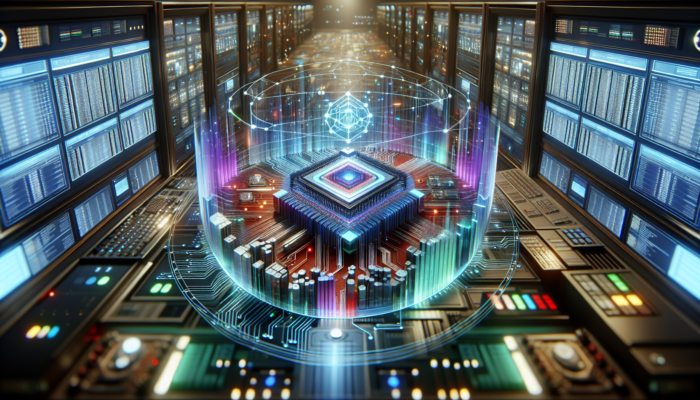
Effective resource allocation is foundational for achieving optimal system performance. By thoroughly analyzing workload requirements and distributing resources efficiently, organizations can prevent resource bottlenecks and ensure balanced utilization across the system.
Resource allocation plays a crucial role in influencing system performance. By meticulously assessing workload demands, businesses can determine the optimal distribution of resources for components such as CPU, memory, and storage. This ensures that each element receives the necessary resources, preventing bottlenecks and promoting balanced resource utilization throughout the system, thereby enhancing productivity and performance.
3. Future-Proofing Hardware Integrations for Long-Term Success
In a rapidly evolving technological landscape, it is essential to consider future requirements when integrating hardware components. Choosing flexible and upgradeable hardware solutions enables organizations to stay aligned with emerging technologies and maintain compatibility with future advancements.
Future-proofing is essential to avoid the need for frequent hardware upgrades. When integrating hardware components, businesses should consider potential future advancements and technological shifts. Selecting flexible and upgradeable hardware solutions allows organizations to adapt to new technologies without necessitating a complete system overhaul, ensuring long-term sustainability and performance.
4. The Critical Importance of Maintenance and Support for Integrated Systems
Regular maintenance and prompt support are vital for sustaining the performance of integrated hardware systems. Ensuring access to reliable technical support and implementing a well-structured maintenance plan can help organizations address any issues swiftly, thereby minimizing downtime.
Consistent maintenance and timely support are essential for the smooth operation of integrated hardware systems. Establishing a comprehensive maintenance strategy and ensuring access to dependable technical support enables organizations to address hardware issues proactively as they arise. This approach minimizes downtime and guarantees that the system operates at peak performance levels, thereby enhancing productivity and operational efficiency.
Exploring Real-World Applications of Hardware Integration in Various Industries
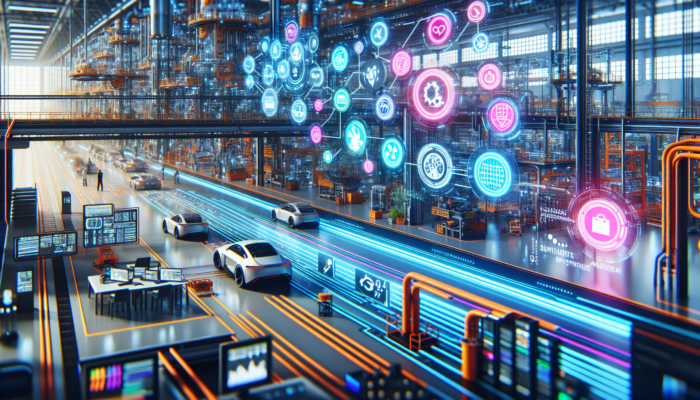
The influence of hardware integration is evident across a wide array of industries and sectors. Below are some notable examples:
1. Revolutionizing the Internet of Things (IoT)
In IoT applications, hardware integration is vital for establishing connections between physical devices and enabling seamless communication with the digital world. Integrated hardware systems facilitate efficient data collection, processing, and real-time monitoring, which are essential for advancing smart city initiatives, industrial automation, and home automation.
In the realm of IoT applications, hardware integration is paramount for linking physical devices and enabling communication with the digital landscape. Integrated hardware systems efficiently gather data from various sensors, process it effectively, and allow for real-time monitoring. This capability plays a significant role in multiple sectors, including the development of smart city initiatives, industrial automation, and home automation solutions, driving innovation and efficiency.
2. Strengthening Cloud Computing Solutions
Cloud computing heavily relies on hardware integration to deliver computing resources and services to users over the internet. Integrated server systems, networking components, and storage devices collaborate effectively to ensure smooth data processing, storage, and retrieval, enabling businesses to scale their operations and meet growing demands.
Hardware integration acts as the backbone of cloud computing, facilitating the delivery of computing resources and services over the internet. Integrated server systems, networking components, and storage devices work in unison to ensure efficient data processing, storage, and retrieval. This degree of integration empowers organizations to effectively scale their operations, adapting to the increasing demands of cloud computing while maintaining performance and reliability.
3. Enhancing Experiences in Virtual Reality (VR) and Augmented Reality (AR)
The immersive experiences offered by VR and AR applications rely heavily on high-performance hardware integration. Integrated graphics processing units (GPUs), sensors, and display devices collaborate to deliver realistic visuals and seamless interactivity, enriching user experiences in gaming, training, and simulation environments.
Hardware integration is foundational for crafting immersive experiences in VR and AR applications. The interplay between integrated graphics processing units (GPUs), sensors, and display devices is crucial for delivering realistic visuals and smooth interactivity. This level of integration dramatically enhances user experiences across various fields, including gaming, training, and simulation applications, providing engaging and transformative experiences.
Harnessing the Advantages of Hardware Integration for Optimal System Performance
The integration of hardware components plays a pivotal role in shaping system performance, enabling organizations and individuals to fully leverage the benefits of a seamless blend of physical and virtual elements. By optimizing resource allocation, enhancing efficiency, and fortifying reliability, integrated hardware systems facilitate improved scalability, reduced latency, and heightened security. However, ensuring compatibility, anticipating future needs, and establishing robust maintenance plans are critical to unlocking the complete potential of hardware integration. Embracing this transformative approach to system architecture opens new avenues for innovation while unleashing the true power of technology.
1. What Is Hardware Integration: A Comprehensive Definition
Hardware integration involves the systematic process of merging various physical components, including processors, memory modules, storage devices, and peripherals, into a cohesive system. This method ensures that hardware elements collaborate harmoniously, facilitating optimal performance and efficiency.
2. How Does Hardware Integration Enhance System Performance?
Hardware integration enhances system performance in a multitude of ways:
- Optimized Efficiency: The integration of hardware components allows for the effective utilization of system resources, streamlining operations and minimizing bottlenecks.
- Scalability: Hardware integration provides the flexibility to adjust the system’s capabilities according to the evolving needs of the business, without compromising performance.
- Reduced Latency: The integration of hardware components can significantly lower latency, enabling faster data processing and real-time interactions.
- Improved Reliability: Hardware integration facilitates establishing redundant systems, ensuring uninterrupted operation even in the event of component failure.
3. What Are the Key Factors for Successful Hardware Integration?
To achieve maximum system performance through hardware integration, it is important to consider the following:
- Compatibility and Interoperability: Ensuring that different hardware components are compatible and can work seamlessly together.
- Optimal Resource Allocation: Analyzing workload requirements and allocating resources effectively to prevent bottlenecks and ensure balanced utilization.
- Future-Proofing: Considering future requirements and opting for flexible and upgradable hardware solutions to adapt to emerging technologies.
- Maintenance and Support: Establishing a comprehensive maintenance plan and ensuring access to dependable technical support for prompt issue resolution.
4. What Are Some Practical Applications of Hardware Integration Across Various Industries?
Hardware integration is widely utilized in multiple sectors, including:
- Internet of Things (IoT): Facilitating seamless communication between physical devices and the virtual world for smart city initiatives, industrial automation, and home automation.
- Cloud Computing: Delivering computing resources and services over the internet through integrated server systems, networking components, and storage devices.
- Virtual Reality (VR) and Augmented Reality (AR): Creating immersive experiences through integrated graphics processing units (GPUs), sensors, and display devices in gaming, training, and simulation environments.
Originally posted 2023-04-13 01:06:36.
The post Hardware Integration’s Effect on System Performance Dynamics appeared first on Healthcare Marketing Service.