Hearing First Mill Hill official services: find out more and book appointment
Page Changed | 2026-08-29 17:51

Waxfree GuaranteeTM, the only ear wax removal clinic in Mill Hill offering the Waxfree GuaranteeTM.
We are the only specialist microsuction ear wax removal clinic in Mill Hill providing Microsuction Earwax Removal and Manual Instrument Earwax Removal, delivered by our expert Audiologists. Every earwax removal practitioner is personally selected by our founder, Jason Levy. In Mill Hill, we are proud to be known as the ear wax removal experts.
Our convenient Mill Hill location in North London also supports people from Hendon, Colindale, Edgware, Golders Green, Stanmore, Burnt Oak, Belmont, Queensbury, South Mimms, Brookmans Park, Potters Bar, Southgate, Hadley Wood, Arkley, Kitt's End, Oakleigh Park, Highwood Hill, Whetstone, Northaw, Cockfosters and Finchley.
Book Hearing First Mill Hill Services with Confidence

Hearing First Mill Hill provides a clear route to professional ear care and hearing support for people who need practical help, not guesswork. If you are dealing with blocked ears, reduced speech clarity, ringing in the ears, or you simply want a proper hearing check, booking an appointment is the most direct way to get advice from an experienced audiologist. The clinic offers microsuction ear wax removal, manual instrument removal, hearing tests, and impartial hearing aid advice, all within a clinically led setting. That matters because ear health and hearing loss can affect everyday life in subtle ways, from struggling in background noise to feeling tired after conversations. An appointment gives you time to explain what has changed, what you have already tried, and what you want to improve. It also helps the audiologist decide whether the issue is wax, hearing sensitivity, or something that needs wider medical attention. For people in Mill Hill and North West London, it is a sensible first step towards clearer hearing and a more manageable plan.
What Happens When You Enquire
When you contact the clinic to book, the process should feel straightforward and calm. You will usually be guided towards the service that best matches your concern, whether that is wax removal, a hearing assessment, or a discussion about hearing aids. Good audiology care starts before the appointment itself, because the team needs to understand your symptoms, any ear history, and whether you have pain, discharge, dizziness, or a sudden change in hearing. That information helps determine the safest and most appropriate next step. It also means you are not arriving blind or unsure about what will happen. If you have been putting off a visit because the problem seems minor, it is still worth arranging a check, since a small issue such as ear wax can create a big change in how well you hear speech and everyday sounds. A timely appointment can bring clarity quickly and reduce worry.
Why an Early Booking Helps
Booking sooner rather than later can make a real difference when hearing has changed. Early assessment allows a clinician to separate simple causes from more complex ones, which saves time and prevents unnecessary trial and error. If ear wax is involved, removal may restore comfort and hearing far faster than waiting for the problem to settle on its own. If the issue is not wax, a hearing test can show what is happening and whether further support is needed. People often find that taking action early also reduces the mental strain of not knowing. Instead of guessing about every muffled conversation or missed word, you get a proper explanation from someone trained in ear anatomy, hearing function and safe treatment. That kind of reassurance is often just as valuable as the treatment itself.
Services We Offer Are:
- Microsuction Ear Wax Removal
- Manual Instrument Ear Wax Removal
- Hearing Tests: We can test your hearing and explain the meaning of your test results, and we are not part-owned by a hearing aid manufacturer, so unlike some High Street chains, we will not offer you a "free" hearing test and then push you to buy hearing aids.
- Under 18 Microsuction Ear Wax Removal: We provide microsuction ear wax removal for ages 12 to 17 when accompanied by a parent or guardian.
- Impartial Hearing Aid Advice: If you want friendly, impartial advice, we are an independent company that is not part-owned by a hearing aid manufacturer, so we can advise you on which model will be the most appropriate for your unique lifestyle requirements. We provide all the latest digital invisible, rechargeable, bluetooth and iPhone-compatible hearing aids.
Hearing First Hendon Colindale Mill Hill: Ear Wax Removal & Hearing Aids
Located within Laboratory Spa & Health Club - Mill Hill,
URL: https://www.hearingfirst.co.uk/book-ear-wax-removal-near-me/book-microsuction-ear-wax-removal-colindale/
View Hearing First Hendon Colindale Mill Hill - Ear Wax Removal & Hearing Aids on Google Maps.
Professional ear wax removal Mill Hill Audiologists. Conveniently located at the Fiveways Interchange A1/A41/M1 junction, with free on-site parking. We are the only ear wax removal clinic in Mill Hill that offers The Hearing First Waxfree GuaranteeTM, so if you have a blocked ear, book an appointment at our ear wax removal Mill Hill clinic. We really are the ear wax removal experts in Mill Hill!
Audiology Services in Mill Hill
Hearing First Mill Hill offers a focused range of ear and hearing services delivered by expert Audiologists. Whether you are seeking help with a blocked ear, want to arrange a hearing test, or need clear guidance on hearing aids, the service is designed to help you understand your options and take the next step with confidence.
Ear wax removal is available using microsuction or manual instruments, allowing the Audiologist to select an appropriate method for your individual needs. Microsuction ear wax removal is also offered for young people aged 12 to 17 when they attend with a parent or guardian. If you are unsure whether earwax is affecting your hearing, booking an assessment is a sensible starting point.
- Microsuction ear wax removal for blocked ears and earwax build-up.
- Manual instrument ear wax removal where appropriate.
- Hearing tests with an explanation of what the results mean.
- Independent hearing aid advice based on lifestyle requirements, including information about digital, discreet, rechargeable, Bluetooth and iPhone-compatible options.
As an independent company that is not part-owned by a hearing aid manufacturer, Hearing First aims to provide impartial advice rather than pressure to purchase. Book an appointment in Mill Hill to discuss ear wax removal, hearing health or hearing aid choices with an Audiologist who can guide you through the available services.
Choose the Right Ear Wax Removal Method for Your Needs
Hearing First Mill Hill offers professional ear wax removal using microsuction and manual instruments, both of which are widely used in audiology practice when carried out by trained clinicians. The most suitable method depends on the shape of the ear canal, the amount and texture of the wax, and any relevant medical history. Microsuction uses a gentle suction device under direct visual guidance, while manual instrument removal relies on specialist tools for precise extraction. Neither approach should be treated as routine in the casual sense, because safe ear care depends on judgement, visibility, and a careful understanding of what the ear needs. If you have had repeated wax build-up, wear hearing aids, use earbuds often, or have found home treatment unhelpful, a professional assessment is usually the safest option. The appointment is not only about removing wax, it is also about confirming whether wax is truly causing the symptoms and whether another hearing issue might be present. That clinical distinction is important for good care.
Why Professional Assessment Matters
Ear wax is a normal part of ear function, but when it becomes impacted it can cause blocked hearing, pressure, itching, or reduced sound clarity. It can also interfere with hearing aid performance, making devices seem less effective than they really are. A trained audiologist can decide whether removal is suitable and whether the ear looks healthy enough for treatment. They can also spot signs that suggest caution, such as inflammation, infection, pain, a perforated eardrum, or a history of ear surgery. In those cases, it is better to pause and choose the safest route rather than rushing in. That level of judgement is what distinguishes specialist ear care from basic wax removal services. It gives you better protection and a more reliable outcome.
Support for Teenagers and Families
Microsuction ear wax removal is available for under 18s aged 12 to 17 when accompanied by a parent or guardian. For families, that can make the appointment feel more reassuring and easier to understand. Young people may notice muffled hearing at school, discomfort after swimming, or a blocked sensation that affects concentration, but they may not describe it clearly. A parent or carer can help explain what has been happening and help the young person feel calm during the visit. The audiologist can then explain what they see, whether wax is the main issue, and whether any follow-up is needed. This family-friendly approach is practical, calm, and clinically sensible.
Helpful Tip Before You Arrive
Before your appointment, try to note any changes you have noticed, such as ringing, reduced hearing in one ear, a blocked feeling, or discomfort after using earphones. These details help the audiologist choose the safest and most effective treatment path.
Good Practice to Avoid
It is best not to use cotton buds, ear candles, or home syringes before professional wax removal. These methods can irritate the ear canal, push wax deeper, and make the ear harder to assess. A clean, accurate history is more useful than trying to treat the problem yourself.
Understanding Ear Wax Removal Choices with an Audiologist
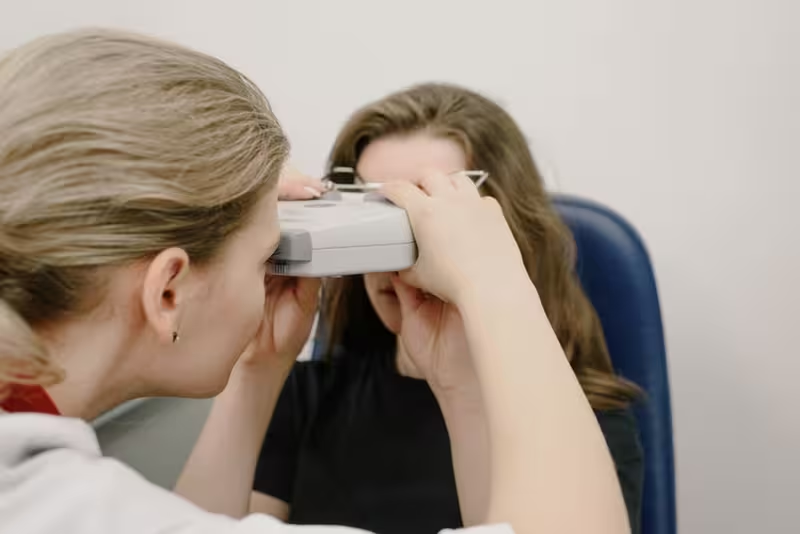
Hearing First Mill Hill offers two main methods of ear wax removal, microsuction and manual instrument techniques. The right choice depends on the condition of the ear canal, the consistency of the wax and your individual medical history. Microsuction uses gentle suction under direct visual guidance to remove wax, while manual instrument removal uses specialist tools for carefully targeted extraction. Both methods are commonly used in professional audiology practice, but they should always be carried out by someone with training in ear anatomy, ear canal safety and infection control. If you have had repeated wax build-up, wear hearing aids, use earbuds often or have found self-treatment unhelpful, a professional assessment is usually the safest option. A proper consultation can also show whether your symptoms are truly caused by wax or whether another hearing issue needs attention.
Why Expert Removal Makes a Difference
Ear wax is natural and protective, but when it becomes impacted it can reduce hearing and make the ear feel full, itchy or uncomfortable. Trying to remove it yourself with cotton buds or similar tools can push wax further in and increase the risk of damage. A trained audiologist can judge when removal is appropriate and when treatment should be avoided, for example if the ear looks inflamed or there are signs that need medical referral. This careful decision making is especially important for people with a history of ear surgery, a perforated eardrum, recurrent infection or pain. In those situations, a specialist approach reduces risk and gives you more reliable advice about what to do next.
Support for Young People
Microsuction ear wax removal is available for under 18s aged 12 to 17 when accompanied by a parent or guardian. That family presence can help the young person feel reassured, understand the process and receive support throughout the appointment. It is also useful when discussing ear symptoms, school listening difficulties or sports-related concerns, because parents and carers often notice changes before the child does. The audiologist can explain what they see, what treatment is suitable and whether any follow-up is needed. For families, this makes the appointment more useful and less stressful, particularly if the young person has never had ear wax removal before.
Helpful Tip Before You Arrive
If you are booking for wax removal, think about any symptoms you have noticed over the past few weeks, such as blocked hearing, ringing, discomfort or a sudden change after swimming or using earphones. Sharing these details helps the audiologist decide on the most suitable technique and whether a hearing check should also be considered.
Good Advice for First-Time Visitors
Try not to use cotton buds, ear candles or home syringes before your appointment, because they can irritate the ear canal and make assessment harder. Arriving with a clear history of your symptoms gives the clinician the best chance of helping you quickly and safely.
Understand What a Hearing Test Can Tell You
A hearing test at Hearing First Mill Hill is designed to do more than confirm whether your hearing has changed. It helps measure how you respond to different pitches and volumes, then places those results in the context of real life, such as speech understanding, background noise, and listening effort. This is important because hearing loss often shows itself in everyday frustrations before it becomes obvious on paper. You might notice the television creeping louder, friends sounding less clear, or social events feeling more tiring than they used to. A good test gives you a structured picture of what is happening and what it may mean. It can also help identify whether your difficulties are linked to ear wax, age-related hearing loss, or another factor that needs attention. The value lies not only in the test result itself, but in the explanation that follows, because a clear conversation with an audiologist can turn confusing symptoms into something understandable and manageable.
Why the Results Need Proper Explanation
Test numbers are only useful when someone explains what they mean for your daily life. A hearing profile that looks minor on a chart may still create real listening effort in busy places, especially if you work in meetings, use the phone often, or spend time in noisy family settings. The reverse can also be true, where a more noticeable hearing change is partly offset by good listening strategies and a quiet routine. That is why a proper interpretation matters. It can help you decide whether you need monitoring, wax removal, hearing aids, or simply more information before making a decision. Independent audiology advice can make this conversation feel less pressured and more useful, because it focuses on your hearing needs rather than a sales target. That is a major advantage for people who want honest guidance and sensible next steps.
What You Can Ask During the Appointment
It is sensible to arrive with a few practical questions in mind. You might want to know whether the results suggest mild, moderate, or more significant hearing loss, how this might affect speech in background noise, and whether one ear is different from the other. You can also ask whether wax build-up could be affecting the result, and whether a repeat test is likely in the future. If you already wear hearing aids, the appointment may help identify whether they still suit your listening needs or whether a different style would be more comfortable. Clear questions often lead to clearer decisions, which is exactly what a good hearing test should provide.
Small but Useful Point
If you have recently had ear wax removed, it can be helpful to wait for the audiologist’s advice before assuming your hearing is now fully stable, as the ear may still need time to settle.
Practical Outcome
The best hearing tests leave you with more than a printout. They should leave you with a better understanding of your own hearing, the reasons for any difficulty, and the options available next.
Who the Clinic Can Help and When to Get Support
Hearing First Mill Hill is a sensible option for adults and older teenagers who need ear wax removal, a hearing check or advice on amplification. People often visit because sounds seem dull, one ear feels blocked or conversation has become harder to follow in busy places. Others book because they already know they have wax build-up, use hearing aids and want careful maintenance advice, or have a family history of hearing loss and want a baseline test. If you are uncertain whether your concern is wax related, a hearing issue or something else, it is often better to book an assessment than to wait and hope it clears on its own. A clinician can quickly tell you whether treatment is suitable or whether you should be referred elsewhere. That saves time, reduces worry and gives you a more reliable plan.
Signs That It Is Worth Booking
- You keep turning the television up higher than other people find comfortable, which can be an early sign of reduced hearing sensitivity or blocked ear canals.
- Conversations in groups feel harder to follow, especially when there is background noise, echo or several people speaking at once.
- One ear feels fuller, muffled or under pressure, which may point to wax build-up that needs professional removal.
- You have a history of recurrent ear wax problems and want a safer, more controlled way to deal with them.
- You need a hearing test to understand whether your recent listening difficulties are temporary or part of a wider hearing change.
- You are thinking about hearing aids and want impartial guidance before making a decision on style, features or budget.
These signs do not always mean there is something serious, but they do mean your ears deserve proper attention. A timely appointment can provide reassurance, treatment or referral, depending on what the assessment shows.
Why People Choose a Specialist Audiology Clinic in Mill Hill
Choosing a specialist audiology clinic gives you access to trained professionals who work with ear wax, hearing tests and hearing aid advice every day. That experience matters because ear and hearing problems can overlap, and the cause of a symptom is not always obvious from the outside. In a specialist setting, the audiologist can inspect the ear canal, discuss your symptoms and choose a safe, suitable approach. This is particularly helpful if you have sensitive ears, previous ear surgery, a history of infection or concerns about having wax removed too quickly. A clinic like Hearing First Mill Hill is built around ear health rather than general retail, so the advice is more focused and the treatment path is easier to understand. For many people, that means less uncertainty and a better sense that they are in the right hands.
What Good Clinical Care Looks Like
Good care begins with listening to your symptoms and asking the right questions before any procedure starts. It also means explaining the benefits and limits of each option, so you can make an informed decision. If wax removal is suitable, the audiologist should explain how the method works and what you might feel during treatment. If the issue is hearing loss rather than wax, you should receive a clear explanation of the result and practical next steps. If hearing aids are discussed, the focus should stay on your real listening needs, not on selling a particular model. This is the kind of straightforward, evidence-led support people expect from a specialist clinic.
Comfort, Safety and Follow-Up
After treatment or testing, you should know what to do next, whether that means booking a further appointment, monitoring symptoms or considering amplification. The best clinics do not leave you guessing. They give you a plan that is easy to follow and realistic for everyday life. That may include advice on keeping ears clear, spotting early signs of wax build-up or understanding when a change in hearing needs repeat assessment. Follow-up matters because hearing health can change over time, and a simple recheck is often the most effective way to stay on top of it.
Small but Important Point
If you already wear hearing aids, mention it when booking or at the start of the visit, because wax removal and hearing assessment can be influenced by the type of device you use and how long you have worn it each day.
Practical Takeaway
Specialist audiology is not just about procedures, it is about giving people reliable information they can act on. That is often what makes the difference between delaying care and getting on with it.
Get Independent Hearing Aid Advice That Fits Daily Life
If you are considering hearing aids, an independent consultation at Hearing First Mill Hill can make the decision far less confusing. Because the clinic is not part-owned by a hearing aid manufacturer, the advice can focus on what genuinely suits your hearing profile, comfort preferences, budget, and daily routine. That matters when the choice includes invisible models, rechargeable devices, Bluetooth hearing aids, and iPhone-compatible options. Each style has benefits, but none is right for everyone. A person who spends much of the day in video calls may need different features from someone who mainly wants discreet support for social gatherings or television listening. Good advice should explain the likely benefits, the limitations, and what you can realistically expect from amplification. Hearing aids can improve access to speech and reduce listening effort, but they do not restore hearing to normal. Clear, honest guidance is part of good clinical care and helps people settle into the right device with confidence.
Common Features People Ask About
- Invisible hearing aids, which are designed for a lower-profile fit and can appeal to people who want discreet support in work or social settings.
- Rechargeable hearing aids, which remove the need for tiny disposable batteries and can suit users who prefer a simple overnight charging routine.
- Bluetooth hearing aids, which can stream calls, music, and television audio directly from compatible devices.
- iPhone-compatible hearing aids, which may offer direct connectivity and easier day-to-day use for Apple users.
- Digital hearing technology, which can be adjusted to different listening environments and can support better speech clarity in noise.
These terms can sound technical at first, but a skilled audiologist should explain them in plain English. The aim is to narrow the choice to something practical and comfortable, not to overwhelm you with options. A good hearing solution is one you can use consistently, because regular use is what makes the biggest difference to everyday listening.
How the Conversation Usually Works
The appointment often begins with questions about your routine, including work, social life, phone use, and whether you notice more difficulty in restaurants, shops, or group conversations. The audiologist then matches those needs to suitable device styles and features. This makes the discussion personal rather than generic. If you have already tried hearing aids elsewhere, you can also talk about what worked and what did not, so the next recommendation is better informed. That sort of detail helps turn a difficult decision into a sensible one.
Useful Reminder
Ask about comfort, handling, battery life, app use, and maintenance, because the most technically advanced device is not always the one that will feel easiest in daily life.
Clear Takeaway
Independent advice is valuable because it gives you room to compare options honestly and choose a hearing aid that matches your own needs, not someone else’s priorities.
How to Book Hearing First Mill Hill Services
Hearing First Mill Hill offers a straightforward path to ear care and hearing support, with appointments available for microsuction ear wax removal, manual instrument removal, hearing tests and impartial hearing aid advice. If you are dealing with a blocked ear, muffled hearing, tinnitus concerns or you simply want a professional check, arranging an appointment is the clearest way to get guidance from an experienced audiologist. The clinic is designed for people who want clinically led support, easy-to-follow explanations and a sensible next step, without any unnecessary pressure. Because the service is independent, you can talk through your hearing health in a calm environment and look at what may suit your lifestyle, whether that is discreet hearing aids, rechargeable models or Bluetooth-connected devices. If you are searching for official services at Hearing First Mill Hill, this page outlines what is available and how to organise a visit with confidence.
What Your Appointment Is Likely to Include
Appointments are planned to be practical, safe and centred on the concern that brought you in. An audiologist will assess your ear health, explain the findings in plain language and suggest the most appropriate service. For ear wax removal, that may involve microsuction or manual instruments, depending on what is clinically suitable. For hearing tests, you can expect a careful explanation of the results and what they mean for everyday listening, speech clarity and ongoing hearing care. If you are considering hearing aids, the discussion can cover invisible, rechargeable and iPhone-compatible options, with advice shaped around your routine rather than sales targets. This style of appointment helps people make informed choices, especially when they are unsure whether their hearing change is caused by wax, age-related loss or something else.
Why It Helps to Book Promptly
It is sensible to arrange an appointment sooner rather than later if your hearing has changed suddenly, if one ear feels blocked or if you have been struggling to hear in meetings, shops or on the phone. Leaving it too long can make day-to-day listening more difficult and can also make the cause less clear. Early assessment allows a clinician to decide whether wax removal, a hearing check or both are needed. It also reduces guesswork, which is often the part that causes the most concern. For many people in Mill Hill and the surrounding North West London area, having a trusted audiology clinic nearby makes it easier to begin, and easier to see the process through.
Book Ear Care and Hearing Support in Mill Hill
Booking with Hearing First Mill Hill gives you a clear route to professional support for blocked ears, changes in hearing or questions about hearing aids. An experienced audiologist can review the concern that has prompted your visit, inspect ear health where appropriate and explain the recommended next step in straightforward terms. This can be particularly reassuring when it is unclear whether muffled sound is linked to ear wax, hearing loss or another issue.
- Describe any symptoms, such as a blocked sensation, ringing, reduced speech clarity or difficulty hearing in background noise.
- Arrange the service most relevant to your needs, which may be ear wax removal, a hearing test or an advice appointment.
- Bring useful context about when the issue started, previous ear concerns and the situations in which hearing feels most difficult.
Your appointment is an opportunity to ask practical questions and make an informed decision without unnecessary pressure. If hearing aids are being considered, the discussion can focus on everyday priorities such as comfort, discreet styling, phone connectivity and rechargeable use. Booking promptly may help you gain clarity sooner and start a sensible hearing care plan with confidence.
Why Specialist Audiology Care Feels Different
Choosing a specialist audiology clinic in Mill Hill gives you access to professionals who deal with ear wax, hearing tests, and hearing aid advice on a daily basis. That experience matters because ear symptoms can overlap, and what feels like simple blocked hearing may have several possible causes. A trained audiologist can inspect the ear canal, listen to your concerns, and choose an approach that is clinically appropriate rather than rushed. This can be especially important if you have delicate ears, previous surgery, a history of ear infection, or anxiety about treatment. In a specialist setting, ear health is the focus, not a side service, so the care is often more measured and easier to understand. The goal is to reduce uncertainty and help you make informed decisions. That kind of support is particularly reassuring when you need a hearing test, are considering wax removal, or want advice on how to manage ongoing hearing changes in daily life.
What Good Care Should Include
Good clinical care begins with listening. Before any procedure starts, the audiologist should ask about symptoms, timing, previous problems, and anything that may affect treatment safety. They should then explain what they are seeing and what the likely options are, using plain language rather than jargon. If wax removal is suitable, you should know how the method works and what you might expect during the visit. If the issue is hearing loss rather than wax, you should receive a clear explanation of the results and the next steps. If hearing aids are discussed, the focus should remain on your daily listening needs, comfort, and practical use. That is the hallmark of patient-centred audiology and one reason people trust specialist clinics.
Comfort, Safety and Follow-Up Matter
After treatment or testing, you should not be left wondering what happens next. A good clinic will explain whether you need follow-up, what symptoms to watch for, and how to manage ear health going forward. That might include advice about spotting fresh wax build-up, when to return for a repeat hearing assessment, or how to look after hearing aids if you use them. Follow-up is important because hearing needs can change gradually over time, and a simple recheck can prevent small issues from becoming bigger ones. The right aftercare helps turn a one-off visit into a sensible plan.
Small but Important Point
If you already use hearing aids, make sure the audiologist knows, because device use can affect ear wax management, hearing assessment, and the best advice for next steps.
Practical Takeaway
Specialist audiology care is valuable because it combines professional judgement with clear explanations. That makes it easier to act confidently rather than delay treatment.
What Hearing Tests Can Reveal About Your Hearing
A hearing test at Hearing First Mill Hill is more than a simple pass or fail. It is a structured assessment that helps identify how well you hear across different frequencies, and whether hearing loss could be affecting speech clarity, background noise tolerance or your ability to follow conversations. The value of a proper test lies in the explanation that follows, because the numbers only matter when they are linked to your daily experience. If you have noticed that family members seem to mumble, television volume has crept up or meetings feel more tiring than before, a hearing test can give you a sensible starting point. For many people, the result brings reassurance. For others, it creates a clear case for further support, whether that means monitoring, wax removal or a hearing aid discussion. Either way, you gain a better understanding of your hearing health from an audiology professional who can interpret the findings in context.
Why Independent Advice Is Valuable
Independent hearing advice matters because it puts your needs first, not a manufacturer target. Hearing First is not part-owned by a hearing aid manufacturer, so recommendations can be based on your hearing profile, comfort preferences, phone use, work environment and budget. That is important if you want a discreet device for social settings, a rechargeable model for daily convenience or a Bluetooth option for calls and streaming. You should come away with a clear explanation of the choices available, including what each style can and cannot do. This kind of guidance helps prevent rushed decisions and supports long-term satisfaction.
How Hearing Aid Choices Are Typically Discussed
During an advice appointment, the audiologist will usually explore your lifestyle, listening priorities and any previous experience with amplification. That may include questions about noisy restaurants, driving, office work, frequent travel or use with a mobile phone. The discussion can then cover digital invisible hearing aids, rechargeable models, Bluetooth connectivity and iPhone compatibility, with attention to comfort and practicality. The aim is not to overwhelm you with technical detail, but to narrow the options to solutions that genuinely fit your life. For many adults, this is the point at which hearing care stops feeling confusing and starts to feel manageable.
Make Sense of Your Hearing Test Results
A hearing test can provide a more useful picture than simply confirming that hearing has changed. It helps identify how you respond to different sounds and can support a fuller conversation about speech understanding, listening effort and noisy environments. For anyone who has noticed louder television use, missed words in conversation or fatigue after meetings, an audiology assessment offers a practical starting point for understanding what may be happening.
- Discuss the listening situations that matter most, from family conversations to phone calls, work and social settings.
- Receive an explanation of your results in relation to daily hearing needs, rather than technical figures alone.
- Explore appropriate next steps, which may include monitoring, ear wax removal or impartial hearing aid advice.
Independent advice can be valuable when comparing hearing aid options because the choice should reflect your own routine and preferences. Ask about features such as Bluetooth connectivity, iPhone compatibility, rechargeable designs and discreet digital devices, while keeping realistic expectations in mind. The aim is to identify a manageable solution that supports clearer everyday listening and feels comfortable to use consistently.
Further Details
For more details on how to book ear wax removal in Mill Hill with Hearing First click here.
How to Prepare for a Hearing Appointment in Mill Hill
Preparing for an appointment at Hearing First Mill Hill does not need to be complicated, but a little planning can make the visit more useful. Think about what has changed, when it started, and which situations feel hardest. For example, you might hear well in quiet rooms but struggle in busy places, or you may notice that one ear feels blocked after swimming, flying, or using earbuds. These details help the audiologist decide whether the main issue is ear wax, hearing loss, or something else. It is also helpful to note any ear pain, discharge, dizziness, tinnitus, previous ear surgery, or recent infections. The more precise the history, the easier it is for the clinician to give you sensible advice. If you are booking for hearing aid guidance, consider which devices or features matter most to you, such as comfort, charging, connectivity, or discretion. A bit of preparation can make the conversation clearer and the result more practical.
What to Bring to the Appointment
- A simple description of your symptoms, including whether they affect one ear or both and how long they have been present.
- Details of any previous ear wax treatment, hearing tests, infections, surgery, or hearing aid use, if relevant.
- A note of the situations where hearing feels most difficult, such as work meetings, telephone calls, or crowded places.
- Any questions you want answered, especially if you are unsure whether you need wax removal, a hearing test, or hearing aid advice.
- Information about medicines or health conditions that may be relevant to ear health, if you know them.
This kind of preparation is useful because it helps the appointment stay focused and efficient. You do not need a long list, only enough detail to give the audiologist a clear picture. That often leads to faster, better advice and less back-and-forth during the visit.
What Does Ear Wax Removal in Mill Hill Cost?
Published Payment Methods
- Credit cards
- Debit cards
- Contactless or NFC payments
Payment information may change. Confirm prices, insurance eligibility and accepted methods directly with the provider. Place attributes are provided by Google Maps.
Ear wax removal in Mill Hill starts at £34. Pricing can vary depending on whether it is one ear or two, whether you book at peak or off-peak times, and how far in advance the appointment is made.
28 Interesting Facts About Mill Hill
- UCL Observatory: University College London's Observatory in Mill Hill was established in 1929 and is used for teaching and astronomical research.
- Saracens Home Ground: Saracens Rugby Club play their home matches at StoneX Stadium, formerly known as Allianz Park, at Copthall in Mill Hill.
- Copthall Stadium Origins: The Copthall stadium site was developed by Barnet Council as an athletics venue before it became associated with Saracens.
- London Loop Route: The London Loop long-distance walking route passes through Mill Hill's northern open land, linking the area with other outer-London green corridors.
- Mill Hill Village Conservation Area: Much of the historic village around The Ridgeway is protected as the Mill Hill Village Conservation Area because of its distinctive historic character.
- St Paul's Church: St Paul's Church on The Ridgeway was built in the 1830s to serve the growing Mill Hill community.
- Etz Chaim Yeshiva: Etz Chaim Yeshiva, a Jewish educational institution with roots in the nineteenth century, is located in Mill Hill.
- Copthall School: Copthall School is a girls' secondary school in Mill Hill whose name preserves that of the historic Copthall estate.
- Historic Roots
Mill Hill has been inhabited since at least the medieval period. Its name is thought to derive from a windmill that once stood on The Ridgeway. - Mill Hill School
Founded in 1807, Mill Hill School is one of London’s most prestigious independent schools, set on a 120-acre campus with stunning countryside views. - Ear Wax Removal in Mill Hill
Ear wax removal is available from the experts at Hearing First Mill Hill on Mondays at The Laboratory Spa in London NW4 near the Fiveways Interchange, with easy access from the A1, A41 and M1 and plentiful free onsite parking. Click here to book an appointment. - Green Spaces Galore
Mill Hill is known for its abundance of green spaces, including Arrandene Open Space and the extensive Mill Hill Park, making it a haven for walkers and nature lovers. - The Ridgeway
This historic road runs along the top of the hill and offers panoramic views across north London. It’s part of an old coaching route from London to St Albans. - World War II History
Mill Hill was home to a wartime military hospital and parts of the area were used for army training and logistics during World War 2. - Transport Links
Mill Hill Broadway provides Thameslink rail services with direct connections to central London, while Mill Hill East is the only Northern Line station on a single-track spur. - Former Home of the National Institute for Medical Research
This major research facility operated in Mill Hill from 1950 until 2016 and was involved in significant scientific discoveries, particularly in immunology. - Architectural Variety
The area features a mix of architectural styles — from Georgian and Victorian homes to 1930s suburbia and modern developments, giving it a diverse residential feel. - Local Shopping and Dining
independent shops, restaurants, and Mill Hill Broadway offers a wide selection of cafés, giving the area a strong community vibe while remaining well connected to the city. - Mill Hill’s Invisible River
The Dollis Brook runs quietly through Mill Hill — but for much of its route, garden fences, overgrowth, and it’s hidden beneath footbridges, making it a secret river even locals forget about. - The College with Cows
The prestigious Mill Hill School is not only known for its alumni but also for the cows that once grazed its cricket fields. In the early 1900s, the school maintained its own dairy herd. - Secret Cold War Hideouts
During the Cold War, hidden bunkers and reinforced buildings were rumoured to exist beneath certain government-linked properties in Mill Hill East. Locals still point to oddly fortified sheds. - The Rabbit Roundabout
Drivers have reported regular sightings of unusually large rabbits around the Apex Corner roundabout — some even say they’re the descendants of wartime escapees from a local breeder. - Home of the Mini Meteorologist
Mill Hill was once home to a boy who, in the 1980s, became locally famous for accurate weather predictions on handmade flyers. His nickname? “Sky Kid.” He later worked for the Met Office. - The Singing Hill
On very quiet mornings, early walkers near Arrandene Open Space report hearing low, melodic tones — a natural hum caused by wind tunnelling through trees, but often mistaken for distant chanting. - The Forgotten Zoo
complete with monkeys, Before WWII, a small private zoo existed on the outskirts of Mill Hill, even a leopard. After the war, and a bear, it vanished — as did most official records of it. - The Underground Llama
A photo taken in 2004 of a llama walking calmly down Mill Hill Broadway sparked endless debate. The mystery deepened when no local farms or zoos reported one missing. Urban legend status: confirmed. - Mill Hill’s Micro-Climate
Thanks to its elevation, Mill Hill sometimes has completely different weather from neighbouring suburbs — residents love to gloat when there’s snow on their rooftops and drizzle in Finchley. - The Station That Disappeared
Mill Hill (The Hale) station was closed in 1939, then quietly erased. All that remains are a few stray bricks and memories from those who insist they once caught a train there.
What a Hearing Care Appointment Can Solve
An appointment at Hearing First Mill Hill can often solve more than one problem at once. If the issue is ear wax, removal may restore hearing, reduce pressure, and improve comfort. If the concern is hearing loss, a test can show whether there is a measurable change and what support might help. If you have been wondering about hearing aids, the same visit can begin an informed conversation about whether amplification is appropriate and which features may fit your routine. That is useful because many people do not know where to start. They may feel unsure whether the issue is temporary, whether they should wait, or whether the answer is a device. A properly run appointment gives you a clearer route through that uncertainty. It is not about turning every symptom into a product choice. It is about understanding the cause and responding with the right level of care, using professional judgement and plain explanation.
Typical Outcomes After Assessment
After the audiologist has assessed your ear health and hearing needs, there are usually a few possible outcomes. If wax is the main issue, the next step may be removal using the most suitable technique. If your ear canals are clear and hearing has changed, the discussion may move towards test results and what those findings mean in daily life. If your hearing is broadly stable, you may simply receive reassurance and advice on when to return if things change. If hearing aids are relevant, you may be guided towards a model that suits your listening situations, from discreet digital devices to rechargeable and Bluetooth options. Each outcome is designed to be practical and easy to follow.
Why Clarity Matters
Clarity matters because hearing concerns can affect confidence, work, family life, and social plans. When you know what is happening, you can make better decisions about treatment, follow-up, and the next stage of care. That is often what people value most after a good appointment, not just the procedure, but the understanding that comes with it. A clear explanation also helps prevent repeated self-treatment and unnecessary worry.
Small but Helpful Point
If you have tried over-the-counter drops or home remedies already, tell the audiologist, because that information can help them judge what is safe and what has not worked.
Useful Takeaway
One well-run appointment can give you a diagnosis, treatment, and a plan, which is often enough to move from uncertainty to action.
Independent Hearing Aid Advice for Everyday Listening
If you are thinking about hearing aids, an independent consultation can make the process much easier to understand. Hearing First Mill Hill offers impartial guidance so you can weigh up the benefits of different device styles without feeling steered towards one brand or one price point. That matters because hearing aid choice is personal. A device that works well for someone who enjoys live music may not suit someone who spends most of the day in video calls or family gatherings. The right recommendation takes account of speech understanding, comfort, dexterity, smartphone use, rechargeable convenience and how visible you want the device to be. A good audiologist will also explain realistic outcomes, because hearing aids improve listening, but they do not restore hearing to normal. Clear expectations are part of good clinical care and help people settle into their hearing devices with more confidence.
Features People Often Ask About
- Invisible hearing aids that are designed to sit discreetly in or near the ear canal, often appealing to people who want a lower-profile look.
- Bluetooth hearing aids that connect to phones, tablets and computers for calls, music and video sound.
- Rechargeable hearing aids that remove the need to change tiny batteries and can suit users who prefer simple overnight charging.
- iPhone-compatible models that support direct streaming and can make everyday listening more convenient for Apple users.
- Digital hearing technology that can be adjusted more precisely to different listening environments, from quiet rooms to busy streets.
These options can sound technical at first, but a skilled audiologist can explain them in a way that is easy to follow. The best choice is usually the one that fits your listening habits and that you will use consistently.
Why Independence Matters in Hearing Advice
Independent hearing advice is important because it keeps the focus on you rather than on a single product range. At Hearing First Mill Hill, the ability to discuss hearing aids without manufacturer ownership means recommendations can be based on hearing loss, lifestyle, and comfort rather than on sales pressure. That is especially valuable if you are comparing discreet devices, rechargeable models, or Bluetooth-connected hearing aids and need to understand the trade-offs. Some people want the smallest possible fit, others want easy charging, and some need streaming for calls and media. A good audiologist should explain how each choice performs in real life, including what it can and cannot do. This helps prevent rushed decisions and gives you a better chance of choosing a device that feels natural to use. Good advice should leave you informed, not overwhelmed. That is one of the strongest reasons people seek out independent audiology support when their hearing changes or their current devices no longer suit their daily routine.
What Makes Advice Truly Useful
Truly useful advice starts with a conversation about your listening habits. The audiologist may ask where you struggle most, how often you use the phone, whether you spend time in noisy spaces, and whether appearance matters to you. They can then explain how features such as speech focus, streaming, rechargeability, and app control may help. It should also be clear when a feature is convenient but not essential, because not every function suits every user. This honest approach helps you separate useful technology from extra detail that may not improve your hearing day to day. It also makes the choice feel more manageable, which is often the biggest barrier for first-time users.
Setting Realistic Expectations
Hearing aids can be transformative, but the adjustment period matters. Sounds may feel different at first, and a good clinician will explain that the brain often needs time to adapt. They should also talk through maintenance, cleaning, charging, and follow-up care, because these practical points shape whether the devices are actually used. Independent advice works best when it covers the full picture, not just the product leaflet. That is the kind of guidance that builds trust and supports long-term satisfaction.
Helpful Reminder
When comparing devices, think beyond appearance and ask how each option handles speech in noise, long wear comfort, and day-to-day convenience.
Final Point
Independent advice gives you a fairer choice, and a fairer choice usually leads to better use, better confidence, and better hearing support over time.
Safe and Comfortable Ear Wax Removal with a Local Audiologist
Your ears and hearing are delicate, so their care should be in expert hands. Some providers delegate ear wax removal to lay people and treat it as a routine procedure. We believe it calls for the skill and expertise of a trained Audiologist.
At our clinic, your ears are cared for by a specialist with detailed knowledge of ear anatomy and physiology, which helps reduce the risk of injury and supports a safe, effective procedure tailored to your needs. Your hearing is too important to leave to chance, so only qualified Audiologists perform ear wax removal, and we are committed to delivering the highest standard of care.
Hearing First Mill Hill – Microsuction Ear Wax Removal Nw4 Map
Make a Sensible Start with Ear and Hearing Care
If you are unsure whether your concern is ear wax, hearing loss, or something else, booking with Hearing First Mill Hill is a practical way to get clarity. Many people wait because the problem seems mild or because they hope it will improve naturally. In some cases it does, but in others the issue persists, becomes more annoying, or starts affecting work and social life. A professional appointment can help you move from uncertainty to a clear plan. The audiologist can inspect the ear canal, ask the right questions, and decide whether wax removal, a hearing test, or impartial hearing aid advice is most appropriate. That is useful because the same symptoms can have different causes, and the right response depends on accurate assessment. The aim is not to overcomplicate things, but to make the next step obvious. For anyone in Mill Hill who wants dependable ear care, that is often the most valuable outcome of all.
What to Expect from a Practical Appointment
A practical appointment should feel focused, calm, and informative. You can expect the clinician to take a history, explain what they are looking for, and talk through the outcome in plain language. If wax is present, they can discuss the safest removal method. If your ears are clear, they may recommend a hearing test or provide advice about hearing support. If you already have hearing aids, the conversation can include whether your devices still meet your needs or whether a different style would be worth considering. The process should make the problem easier to understand, not more confusing. That is the hallmark of good audiology care and the reason specialist clinics are so useful when hearing feels uncertain.
Small Steps That Make a Difference
Sometimes the best approach is simply to act early, note your symptoms clearly, and choose the service that matches your concern. Small changes in hearing can become much less stressful once they are properly assessed. Even if the outcome is only reassurance, that reassurance can be worth a great deal. It lets you stop wondering, stop guessing, and start dealing with the issue in a sensible way. For many people, that is the point at which hearing care begins to feel manageable again.